Private Label Supplement Manufacturing explains how a finished supplement moves from an approved concept to a market-ready product under another company’s brand. The process often includes formulation, ingredient sourcing, production, testing, packaging, and documentation. It may sound straightforward. It is not.
A reputable manufacturer should operate under current Good Manufacturing Practices and maintain clear batch records. Its quality team may verify identity, purity, strength, contaminants, allergens, and stability. A certificate of analysis matters, but it should match the actual batch, not merely decorate a sales folder. The facility should also explain its supplier qualification process, recall procedures, storage controls, and testing methods. These details reveal more than a glossy product sample.
Steve Mister, president and CEO of the Council for Responsible Nutrition, has emphasized, “Quality and safety are the foundation of consumer trust.” That principle fits Private Label Supplement Manufacturing closely. A brand owner must review scientific evidence, permitted claims, serving sizes, and market-specific requirements before approving artwork. Regulations differ by country, and careless wording can create serious compliance problems.
Experience also teaches humility. A reliable factory can still face a delayed ingredient, a failed stability result, or an unexpected flavor issue. Good partners document problems and correct them openly. Weak partners hide behind confident promises.
The strongest manufacturing relationship feels practical. You can inspect the facility, question the quality manager, trace a lot number, and understand every major cost. This article explores what Private Label Supplement Manufacturing involves, where risks appear, and how thoughtful brands can choose quality over shortcuts.
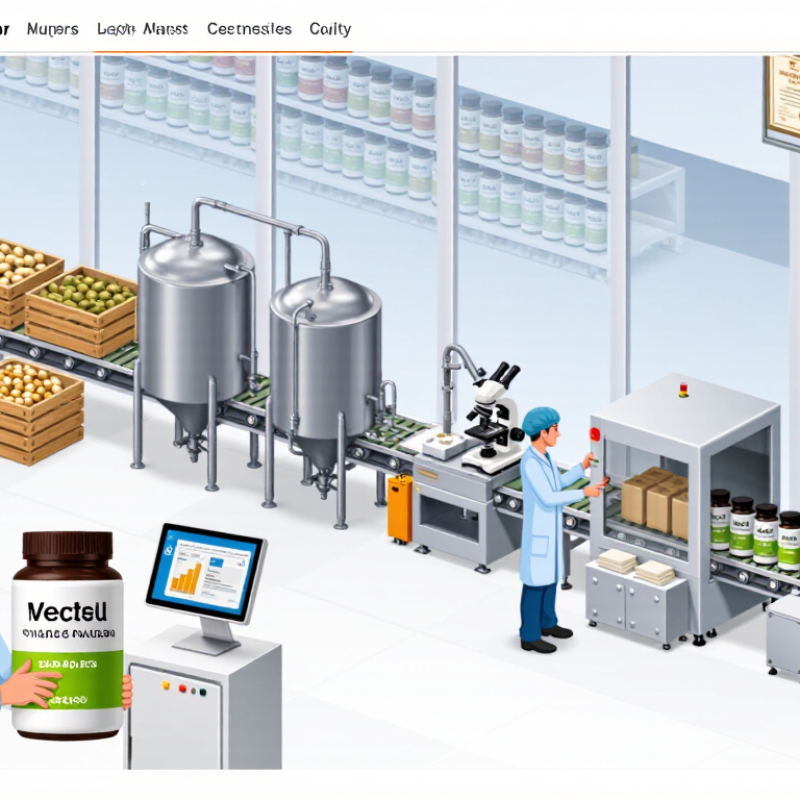
Private label supplement manufacturing means a specialized manufacturer produces supplements for another company’s brand. The buyer usually selects the formula, dosage form, packaging, and positioning. The manufacturer manages production, testing, and batch documentation. According to Grand View Research’s 2024 dietary supplements report, the global market was estimated at about $177.5 billion in 2023. This scale creates opportunity, but it also raises quality expectations.
The core concept is controlled outsourcing. A private label company may choose capsules, powders, gummies, or liquid formats. Its manufacturing partner then sources approved ingredients and follows documented production procedures. Reliable facilities operate under dietary supplement good manufacturing practices, including 21 CFR Part 111 requirements in the United States. They should verify supplier specifications, test incoming materials, and retain finished-product samples. Certificates of analysis help, but they are not proof of every quality claim. Independent testing can add useful confidence.
Experience matters during formulation and scale-up. A formula that works in a small trial may separate, harden, or lose potency during full production. Manufacturing teams review stability, allergen controls, label accuracy, and packaging protection. The Council for Responsible Nutrition’s 2024 consumer research reported that 75% of U.S. adults use dietary supplements, showing strong consumer reliance on this category. Still, private label manufacturing is not automatically simple. A clean label cannot repair weak evidence. Even experienced teams can miss a detail, especially when timelines become aggressive.
Private label supplement manufacturing allows a business to sell supplements produced by a third-party manufacturer under its own label. The manufacturer typically manages formulation support, sourcing, production, quality control, packaging, and regulatory documentation, while the customer controls the product concept, label, positioning, and sales channel.
The chart shows the main operational areas commonly included in a private label supplement program. In the United States, dietary supplement manufacturers are also required to follow FDA current Good Manufacturing Practice requirements under 21 CFR Part 111.
Private label supplement manufacturing starts with a clear product brief, not a finished label. The brief defines dosage form, serving size, target user, flavor, and retail position. An experienced development team also checks ingredient availability, stability, and manufacturing feasibility. Small details matter. A powder that clumps in humidity may fail before reaching the customer.
Formulation follows the brief. Specialists select suitable ingredients, set practical dosage levels, and create laboratory samples. They assess taste, texture, color, and mixability through repeated trials. The process is rarely perfectly linear. A promising formula may need fewer ingredients or a different delivery format. Testing should include identity, purity, microbial quality, and stability checks, using documented methods and qualified laboratories.
Regulatory review and label development should continue alongside testing. Claims need reliable evidence and must fit the rules of each intended market. Packaging is then evaluated for protection, readability, and accurate instructions. A pilot batch can reveal problems that small samples hide, such as filling variation or damaged seals. Quality teams review these results before full production, release, and ongoing monitoring. Production records, supplier documents, and retained samples support traceability. Yet no process is flawless. Sensory preferences can shift, raw materials can vary, and even a well-designed launch may require adjustment after controlled market feedback.
Private label supplement manufacturing divides responsibility between a brand and a contract manufacturer. The brand owns the product vision, customer promise, and market positioning. It selects the supplement format, target audience, ingredients, serving size, and packaging direction. It also monitors customer feedback and reviews product claims carefully.
The contract manufacturer turns that plan into a controlled production process. Its work may include ingredient sourcing, formula development, testing, blending, filling, labeling, and batch documentation. A reliable facility checks supplier records and verifies raw materials before production. It should also maintain sanitation procedures, calibrated equipment, trained staff, and traceable batch records. These details matter when a small labeling error affects an entire shipment.
In practice, both sides must communicate constantly. The brand should provide clear specifications, approved artwork, and realistic launch dates. The manufacturer should explain lead times, minimum order quantities, testing limits, and possible formulation problems. Quality cannot be transferred completely to one party. The brand remains responsible for reviewing claims and final labels, while the manufacturer must produce consistently within agreed specifications. The process is rarely perfect. A flavor may need adjustment, or packaging may slow production. That is where technical judgment matters. However, deadlines can create pressure, and rushed approvals deserve careful review. A strong partnership records decisions, investigates deviations, and improves the next batch instead of hiding small mistakes.
| Manufacturing Stage | Brand Responsibilities | Contract Manufacturer Responsibilities | Typical Deliverables | Key Quality and Compliance Controls |
|---|---|---|---|---|
| Market and Product Planning | Define the target consumer, product format, intended use, price position, serving size, and sales channel. | Review technical feasibility, available dosage forms, production capacity, minimum order quantities, and estimated lead times. | Product brief, preliminary formula concept, format selection, target cost, and production schedule. | Claims must be supportable and consistent with the regulations applicable to the intended market. |
| Formula Development | Approve the active ingredients, serving size, sensory profile, allergen position, and product specifications. | Develop or adapt the formula, assess ingredient compatibility, and recommend suitable excipients, flavors, or processing methods. | Master formula, ingredient specifications, draft nutrition or supplement facts information, and stability plan. | Ingredient identity, purity, potency, safety information, formulation limits, and potential interactions are reviewed. |
| Ingredient Sourcing | Approve ingredient standards and any requirements for origin, certifications, allergens, or restricted substances. | Qualify suppliers, purchase materials, verify documentation, and maintain traceability from receipt through production. | Approved supplier records, certificates of analysis, material specifications, and receiving records. | Materials are checked against approved specifications before release for use. |
| Pilot Batch and Testing | Evaluate samples for appearance, taste, size, packaging fit, and alignment with the approved product brief. | Produce pilot samples, identify process requirements, and coordinate laboratory testing when required. | Approved sample, pilot-batch record, test results, and finalized manufacturing instructions. | Testing may include identity, potency, microbiological quality, contaminants, physical attributes, and stability-related checks. |
| Packaging and Labeling | Own the brand presentation, provide approved artwork, and ensure that label statements and marketing claims are appropriate. | Confirm packaging compatibility, provide technical dimensions, review production suitability, and apply labels or print packaging. | Approved artwork, packaging specifications, finished label, batch coding format, and packaging components. | Labels should accurately declare ingredients, serving information, warnings, net contents, lot identification, and required business information. |
| Production | Confirm the purchase order, approved formula, packaging, quantity, and requested release requirements. | Manufacture, fill, assemble, package, and document the batch according to approved procedures and specifications. | Batch manufacturing record, packaging record, production quantity, and in-process inspection records. | Good manufacturing practices, line clearance, sanitation, weight or count checks, and documented process controls are applied. |
| Quality Release | Receive and review agreed quality documentation and approve the finished product for commercial distribution when required by the agreement. | Review batch records, complete finished-product testing, investigate deviations, and issue a certificate of analysis or release documentation when applicable. | Finished-product test results, certificate of analysis, deviation records, and release authorization. | Products are released only when required specifications and documented quality requirements are met. |
| Storage and Distribution | Manage inventory planning, sales forecasting, customer orders, and distribution channels. | Store products under defined conditions and coordinate shipment or fulfillment services if included in the contract. | Inventory records, shipment documentation, storage records, and delivery information. | Temperature, humidity, stock rotation, lot traceability, and transport conditions are managed according to product requirements. |
| Post-Market Monitoring | Monitor consumer feedback, complaints, adverse-event information, returns, and marketplace performance. | Support complaint investigations, retain samples, provide batch information, and assist with corrective or preventive actions. | Complaint file, investigation report, corrective-action record, recall plan, and trend analysis. | Traceability and documented complaint handling help support timely investigations, withdrawals, or recalls when necessary. |
Private label supplement manufacturing means producing supplements for another company’s label and specifications. The process includes formulation, sourcing, testing, packaging, and release. Market growth raises the stakes. Grand View Research valued the global dietary supplements market at approximately $177.5 billion in 2023. In the United States, the Council for Responsible Nutrition reported that 74% of adults used supplements in 2023. That level of demand requires more than attractive packaging.
Quality begins with documented controls. Under 21 CFR Part 111, manufacturers must follow current good manufacturing practices for dietary supplements. They need approved suppliers, identity testing, batch records, equipment controls, and complaint procedures. Testing should confirm ingredients, strength, purity, and possible contamination. A certificate of analysis helps, but it is not proof by itself. Independent verification may still reveal weak sampling or inaccurate results.
Safety also depends on honest formulation decisions. Labels must match the actual contents, serving size, allergens, and warnings. The NIH Office of Dietary Supplements notes that supplements can interact with medicines and affect health conditions. Responsible manufacturers therefore review ingredients before production, not after a complaint. Mistakes still happen. A rushed launch can expose gaps in stability testing or traceability. That uncomfortable lesson deserves attention. Reliable partners keep retain samples, investigate deviations, and maintain recall procedures. Regulatory compliance is not a one-time document; it is a daily operating discipline.
Private label supplement manufacturing lets a business sell products made by a specialized facility under its own packaging. The model can reduce development time, but it does not remove compliance duties. Grand View Research valued the global dietary supplements market at approximately $177.5 billion in 2023. Competition is therefore strong. A clear formula and credible quality evidence matter.
Costs depend on the formula, dosage form, testing, packaging, and minimum order quantity. Industry estimates often place a stock-formula launch between $8,000 and $25,000. Custom formulas may exceed $30,000 before freight and marketing. Stock products can take 8–16 weeks. Custom development often needs 12–24 weeks. Delays happen. Ingredient shortages, label revisions, and failed stability tests can add weeks. A neat forecast is tempting, but it is often wrong.
Ask manufacturers for certificates of analysis, supplier qualification records, and batch-testing procedures. Facilities serving the United States should follow FDA dietary supplement current Good Manufacturing Practices under 21 CFR Part 111. The Council for Responsible Nutrition reported that 74% of U.S. adults used dietary supplements in 2023, showing demand but not guaranteed sales. Plan cash flow for repeat testing, artwork changes, storage, and unsold inventory. Small packaging errors can become expensive. A launch is rarely finished when cartons arrive.
It should define the format, serving size, target user, flavor, and retail position. Small details matter. Humidity can make powder clump.
Specialists select suitable ingredients and practical dosage levels. They create laboratory samples and test taste, texture, color, and mixability. A promising formula may still need major changes.
Testing should examine identity, purity, microbial quality, and stability. Qualified laboratories should use documented methods. Testing is not perfect, but it reduces avoidable problems.
Claims need reliable evidence and must follow the rules of each market. Label wording should be reviewed before production. A rushed approval can create unnecessary risk.
Packaging should protect the product and present readable instructions. Teams should check seals, filling compatibility, and label accuracy. A damaged seal is a serious warning.
A pilot batch can expose filling variation, seal damage, or blending issues. Small samples may hide these problems. Pilot testing is worth the time.
The product owner defines the customer promise, audience, ingredients, serving size, and packaging direction. It should review claims, artwork, and customer feedback carefully. The responsibility cannot be fully delegated.
The manufacturer may source ingredients, develop formulas, test materials, and manage production. It should maintain sanitation, calibrated equipment, trained staff, and traceable records. Consistency matters.
They should record specifications, approvals, deadlines, testing limits, and production decisions. They must discuss formulation or packaging problems early. No process is flawless. Controlled feedback can guide the next batch.
Private Label Supplement Manufacturing is a business model in which a company creates and sells supplements under its own brand while working with a specialized contract manufacturer. The process typically begins with selecting a product concept, defining ingredients and dosage forms, and developing a formula that matches the intended market and customer needs. The manufacturer may support sourcing, testing, production, packaging, and labeling, while the brand owner generally manages product positioning, design, sales, and distribution.
Successful development requires careful attention to quality, safety, and regulatory requirements throughout every stage. Ingredients should be evaluated for identity, purity, stability, and suitability, and finished products should be produced under appropriate quality control procedures. Brands should also consider minimum order quantities, formulation and packaging costs, testing expenses, production capacity, and expected timelines. Clear communication between both parties can help prevent delays and support a smooth launch, from initial planning and sample approval to manufacturing, final inspection, and market release.